
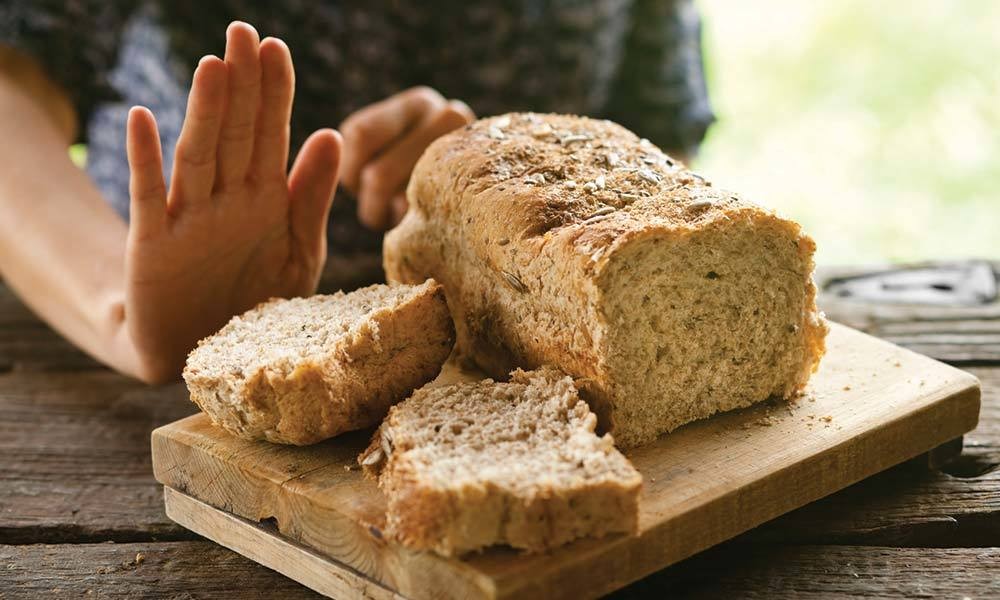
If you have been suffering with some stomach problems and wondering what is happening in your gut, it could be that you have symptoms of coeliac disease and do not realise that’s what it is. Understanding the symptoms of coeliac disease will unlock the potential for you to live life happier, with a better gut, through a change in diet and lifestyle that alleviates the symptoms that you have been suffering with.
What is coeliac disease?
Before you can find out if you have been suffering from symptoms of coeliac disease or something different, you should understand what it is. Coeliac disease damages the lining of your small intestine. It is an autoimmune disease that causes a reaction in your body when you ingest gluten. It triggers an abnormal response where the immune system attacks the gluten in your digestive system, inflaming the inside of the small intestine, making it harder to absorb nutrients from your food.
Gluten is found in grains, such as barley, rye, and wheat. You’ll find these grains in many staple foods such as bread, pasta, cereals, and beer. You might also be surprised to find gluten in some foodstuffs such as soups, sauces, and many packaged foods. It’s vital, therefore, that if you are suffering from symptoms of coeliac disease and get a diagnosis, you start eating gluten free food.
What are the symptoms and causes of coeliac disease?
Symptoms can vary significantly from one person to the next. Most healthcare providers see two windows for the symptoms of coeliac disease to develop, in early childhood between 8 and 12 months old, and then between the ages of 40 and 60.
Gastrointestinal symptoms
- Stomach pain
- Painful gas
- Diarrhoea
- Bloating
Iron-deficiency anaemia symptoms
- Extreme tiredness
- Cold hands
- Indented nails
- Paleness
Malnutrition symptoms
- Unexplained weight loss
- Growth faltering in children
- Dental enamel problems
- Abnormal periods
- Irritability
- Anxiety
- Depression
Dermatological symptoms
Some people with coeliac disease develop dermatitis herpetiformis. This is an itchy rash that may affect your elbows, knees, and scalp, and appears in small clusters of blisters or bumps.
How important is gut health?
Gut health is a crucial part of managing coeliac disease. A healthy gut microbiome directly regulates the immune response to gluten. This helps to maintain the integrity of the intestinal lining. If you leave coeliac disease untreated, it will cause inflammation of the intestine and long-term damage, leading to malabsorption. A balanced and healthy gut helps to reduce this damage.
Overcoming the symptoms of coeliac disease
Once you have been diagnosed with coeliac disease, the next step is to manage it. Changing your diet to completely remove gluten is important, as ingesting any gluten will have a negative impact on your gut and health. You may be eligible for gluten free products on prescription. Ensure that you have received all the necessary information from your GP during the diagnosis process, and you can use this to acquire a range of gluten free products on prescription.